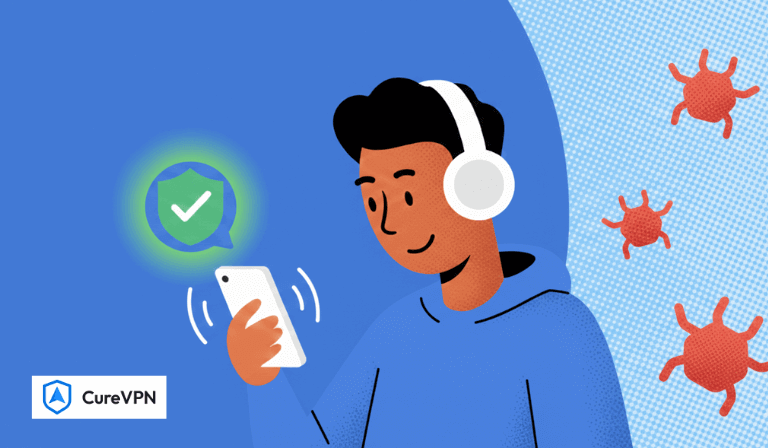

Smartphones now sit at the center of our personal and professional lives. Payments, private conversations, location data, and work credentials all pass through a single device. That reality explains why so many users ask the same question quietly but urgently: How to check for viruses on iPhone.
Apple’s ecosystem is secure by design, but security is never absolute. Threat models have evolved. Attackers no longer rely on obvious malware. Instead, they use spyware, malicious profiles, phishing frameworks, and network-level interception. Understanding how to detect and neutralize those risks matters more than ever.
This guide breaks down real threats, not myths, and explains how professionals assess iPhone security in the field.
Can iPhones Really Get Viruses?
Strictly speaking, traditional self-replicating viruses are rare on iOS. Apple’s sandboxing, code signing, and App Store review process eliminate entire classes of malware.
That said, focusing only on “viruses” misses the bigger picture.
In real-world cybersecurity investigations, iPhones face risks such as:
- Spyware installed via configuration profiles
- Credential harvesting through phishing pages
- Malicious VPN or DNS redirection
- Network surveillance on unsecured Wi-Fi
- Jailbreak-based exploits in older iOS versions
So when users ask, “Is someone spying on my phone?” they are often responding to symptoms caused by surveillance techniques rather than a classic virus.
Warning Signs Your iPhone May Be Compromised
Security professionals rarely rely on a single indicator. Instead, they look for patterns. Pay attention if you notice several of the following issues at once:
- Rapid battery drain without usage changes
- Unexpected data consumption spikes
- Safari is redirecting to unfamiliar domains
- iPhone overheating during idle time
- Unknown VPNs or profiles appearing in settings
- Apps requesting permissions that feel unnecessary
Each signal alone may be harmless. Combined, they justify a deeper check.
How to Check for Viruses on iPhone Manually
Apple does not allow deep system scans. Instead, professionals inspect the environment around the operating system.
Review Installed Apps Carefully
Navigate to Settings → General → iPhone Storage.
Delete any app you do not recognize or no longer use. Attackers rely on forgotten apps.
Inspect Configuration Profiles
Go to Settings → General → VPN & Device Management.
Remove any profile you did not install yourself. Malicious profiles enable traffic interception and surveillance.
Check Safari Data
Clear website data and remove suspicious permissions. Phishing frameworks often persist through browser storage rather than apps.
Monitor Network Behavior
Unusual latency, redirections, or blocked services like Netflix geoblocking failures may indicate DNS or VPN manipulation.
Can Antivirus Apps Detect Threats on iPhone?
Many users expect antivirus apps to work as they do on Windows. That expectation leads to confusion.
On iOS, security apps operate within strict limits. They cannot scan system files. What they can do is:
- Detect phishing links
- Block malicious websites
- Monitor network connections
- Warn about unsecured Wi-Fi
These tools help with hygiene, not remediation. Serious threats require manual intervention or a reset.
Removing Threats Safely Without Data Loss
When suspicious activity appears, start with controlled steps:
- Delete untrusted apps
- Remove unknown profiles
- Reset network settings
- Update iOS immediately
Avoid third-party “cleaner” tools promising miracles. Many introduce new risks.
If symptoms persist, a factory reset becomes the safest path.
When a Factory Reset Is the Right Call
Security teams use resets sparingly, but decisively.
A reset makes sense when:
- Surveillance signs remain after cleanup
- Configuration profiles reappear
- Network behavior stays abnormal
Before resetting, back up only essential data. Avoid restoring full app states blindly. Start clean.
Preventing Future Threats on iPhone
Defense works best when layered.
- Install apps only from the App Store
- Keep iOS updated
- Avoid public Wi-Fi without protection
- Use trusted DNS and network encryption
- Watch permissions closely
This is where VPN strategy matters.
Why VPN Choice Matters More Than Most Users Realize
Not all VPNs are equal. Many introduce new risks rather than solving old ones. Professionally designed VPNs use AES-256 encryption, modern tunneling protocols, and audited infrastructure. Weak VPNs log traffic or inject ads.
From an industry perspective, the same backend principles used in white label VPN for business deployments apply to consumer security. Multi-tenant infrastructure, proper key management, and traffic isolation determine whether a VPN protects or exposes users. A poorly built VPN can be worse than no VPN at all.
VPN Use Cases That Go Beyond Privacy
A secure VPN does more than hide IP addresses.
- Protects data on public Wi-Fi
- Prevents ISP throttling
- Helps with regional access, such as how to unblock TikTok
- Reduces tracking across apps and browsers
- Enables the best VPN Solution for Home Network setups
These same capabilities power enterprise-grade white label VPN for business offerings, where uptime, encryption strength, and compliance matter.
Encryption and Network Security Explained Simply
When evaluating security tools, look beyond marketing claims.
Strong VPNs rely on:
- Best Encryption for VPN Security, typically AES-256
- Modern tunneling protocols like WireGuard
- No-log architectures
- Independent audits
These standards protect both individuals and businesses operating large-scale VPN platforms.
Frequently Asked Questions
Can Safari get a virus on iPhone?
Safari itself is secure. However, malicious websites can steal data through phishing.
Is someone spying on my phone if it overheats?
Not necessarily. Overheating alone is not proof. Combined symptoms matter.
Does a VPN stop spyware?
A VPN protects traffic. It does not remove spyware already installed.
Are free VPNs safe?
Many are not. Free services often monetize user data, which defeats the purpose of privacy.
A Final Word From the Field
Security failures rarely announce themselves loudly. They appear as small inconveniences, odd behaviors, or subtle performance issues. Knowing how to check for viruses on iPhone is less about panic and more about awareness. When users understand profiles, permissions, encryption, and network hygiene, they regain control.
The same principles that protect enterprise networks and white label VPN for business deployments apply at the individual level. Strong architecture, transparency, and informed decisions always win. Digital security is not about fear. It is about readiness.