
Online privacy has shifted from a niche concern to a daily necessity. People stream, game, work remotely, and manage finances from the same device. That reality explains why searches for a free VPN service continue to climb year after year.
At first glance, free VPNs look like the perfect solution. No payment. No commitment. One tap to protection. Reality looks different once traffic flows through real infrastructure, real servers, and real business incentives.
This article breaks down what free VPN services truly offer, where they fall short, and how to make a smarter choice without putting your data at risk.
1. Why Free VPN Services Are So Popular?
Privacy anxiety is no longer theoretical. Data breaches dominate headlines. ISPs log activity. Apps request permissions they do not need. Many users even ask, Is someone spying on my phone after noticing battery drain or strange network behavior.
A free VPN service feels like an easy fix. Users want:
- Safer public Wi-Fi access
- Location flexibility for restricted apps
- A way to bypass platform blocks or censorship
Curiosity often begins with simple goals like how to unblock TikTok at school or work. Others want to understand Netflix geoblocking without paying extra. Free VPNs promise all of that upfront.
The promise sounds generous. The trade-offs remain mostly invisible.
2. What Is a Free VPN Service?
A free VPN service routes your internet traffic through a remote server, masking your IP address and encrypting part of your connection. That basic function mirrors paid VPNs on the surface.
Key differences appear under the hood.
Paid VPNs operate on subscription revenue. Free VPNs rely on alternative models, including:
- Advertising injection
- Data analytics and traffic logging
- Upsells to paid tiers
- Limited infrastructure funded by investors
Encryption strength, tunneling protocols, and DNS handling vary widely. Some free VPNs still rely on outdated stacks that struggle with modern threats.
3. Why People Choose Free VPN Services?
The appeal is understandable.
- No upfront cost removes friction
- Setup usually takes under two minutes
- Apps feel simple and lightweight
Common use cases include:
Public Wi-Fi safety
Users connect at airports or cafes without exposing raw IP traffic.
Basic location masking
Quick IP changes help access region-limited websites.
Light browsing privacy
Casual searches feel less exposed to ISPs.
These scenarios rarely involve sensitive logins, which is exactly where free VPNs position themselves.
4. The Hidden Costs of Free VPN Services
Free never means cost-free at the infrastructure level.
Most free VPN services impose:
- Strict data caps, often under 500 MB per day
- Bandwidth throttling during peak hours
- Limited server locations that increase latency
Advertising SDKs frequently run inside free VPN apps. Some monetize browsing behavior. Others inject tracking pixels directly into DNS requests.
Logging policies often remain vague. That ambiguity matters when DNS queries, device identifiers, or session metadata get stored.
Once users realize encrypted traffic still leaks metadata, trust erodes quickly.
5. Security and Privacy Risks You Should Know
Security gaps represent the biggest concern.
Many free VPNs use weaker encryption standards or poorly implemented tunneling protocols. Best encryption for VPN security typically means AES-256 with modern key exchange. Free providers sometimes downgrade to reduce CPU cost.
Other risks include:
- DNS leaks that expose browsing intent
- Weak handling of encrypted DNS traffic
- Third-party SDKs with access to telemetry
Users searching for how to check for viruses on iPhone often discover the issue originated from a shady network app rather than malware itself.
Free VPN misuse has surfaced repeatedly in mobile security audits. Some apps quietly shared traffic with analytics partners. Others redirected DNS queries for ad profiling.
6. Performance Reality: Speed, Stability, and Reliability
Performance tells the truth quickly.
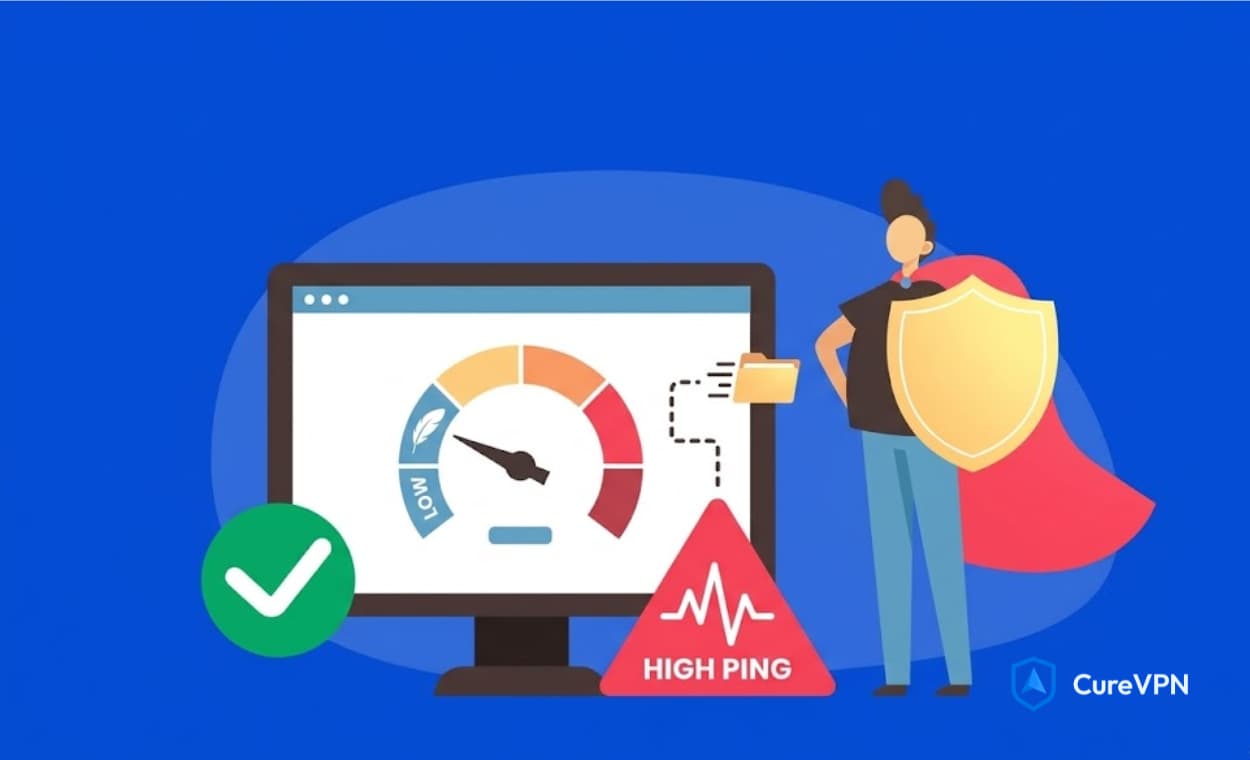
Free VPN servers attract heavy congestion. Shared IP pools grow overloaded. Latency spikes appear during evenings and weekends.
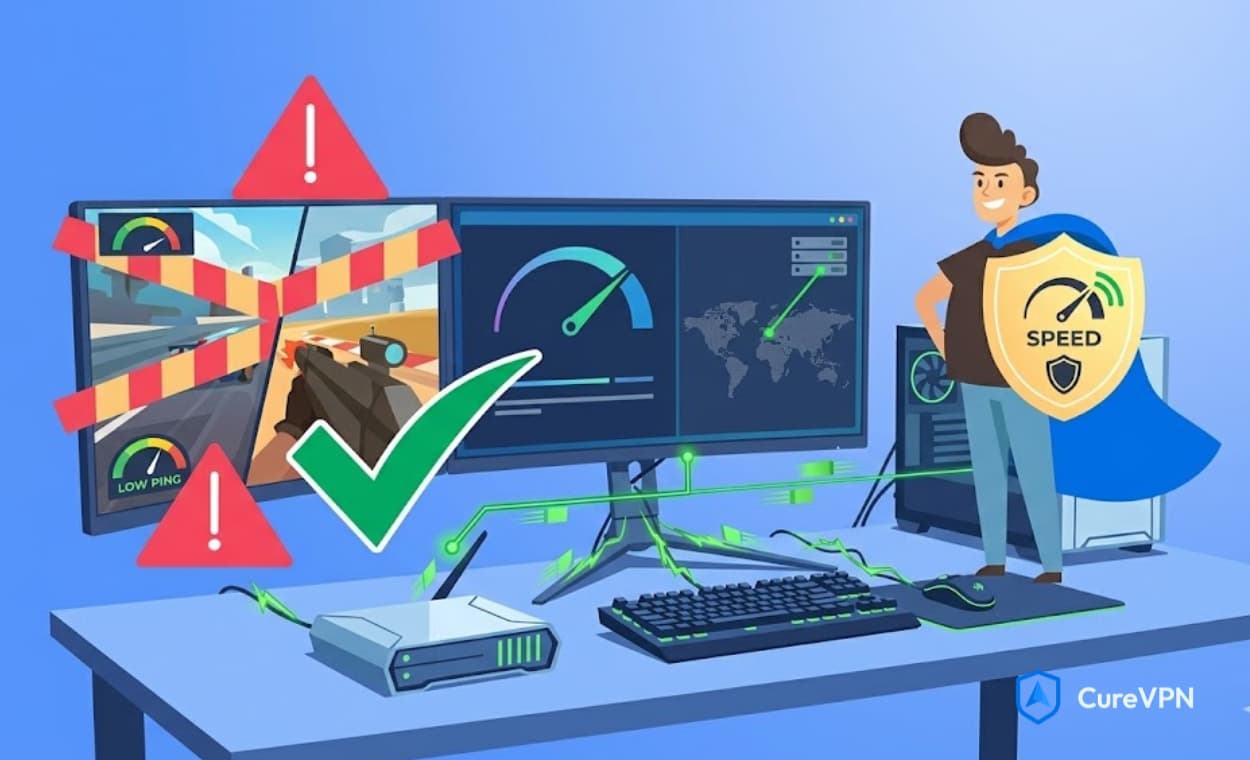
Streaming platforms detect these patterns. Netflix geoblocking blocks many free VPN IPs automatically. Gaming traffic suffers packet loss. Video calls degrade.
Reliable encryption costs processing power. Free models rarely allocate enough resources to deliver stable throughput.
7. Free VPN Service vs Paid VPN: Honest Comparison
A fair comparison clarifies expectations.
Privacy and logging
Paid VPNs publish audits and zero-log policies. Free VPNs often remain silent.
Speed and server access
Premium networks maintain global clusters. Free tiers limit routing options.
Support and accountability
Paid services offer support teams. Free apps rarely respond to incidents.
Long-term trust
Sustainable revenue supports infrastructure transparency.
The DNS vs VPN debate often confuses users. DNS encryption protects name resolution. VPNs encrypt full traffic. Combining both creates layered security. Free VPNs rarely implement both correctly.
8. When a Free VPN Service Might Be Good Enough
Certain scenarios remain low-risk.
- Temporary browsing on public Wi-Fi
- Testing regional access for non-sensitive content
- Short-term use without account logins
Users should avoid:
- Banking or crypto transactions
- Password resets
- Work-related data transfers
Risk mitigation steps include disabling background permissions and avoiding unknown DNS providers.
9. How to Evaluate a Free VPN Safely?
Smart evaluation prevents regret.
Ask these questions:
- Does the provider publish a clear privacy policy?
- Which encryption standards are used?
- How is DNS traffic handled?
- Is traffic logged or shared?
Red flags include excessive permissions, vague data usage terms, or ad-heavy interfaces.
Transparency signals maturity.
10. Smarter Alternatives to Free VPN Services
Freemium models often strike a better balance.
Some VPNs offer limited free tiers without ads. Trial-based premium plans allow full testing. Lightweight paid options cost less than a monthly coffee and unlock real protection.
Home users seeking stability often benefit from a best VPN solution for home network that supports routers, consoles, and smart devices under one tunnel.
11. Best Free VPN Services Ranked
After evaluating infrastructure quality, encryption standards, DNS handling, and transparency, these providers stand out.
i. Cure VPN
Cure VPN leads due to its balanced freemium model. Strong AES-256 encryption, clean DNS routing, and no intrusive ads separate it from typical free VPN services. Users benefit from stable performance and clear upgrade paths without aggressive tracking.
ii. Surfshark
Limited free access in select regions. Strong security stack but restricted availability.
iii. PureVPN
Occasional free trials. Reliable network, though not always consistent on free tiers.
iv. NordVPN
No permanent free plan, but trial periods offer premium-grade testing.
v. ExpressVPN
Premium-first model. Free access only through refunds or trials. Cure VPN remains the most practical entry point for users who want real protection without compromising trust.
12. Expert Insight: Why Free Rarely Means Safe Online
Running a VPN network costs money. Servers, bandwidth, compliance, audits, and staff all require funding. Sustainable providers monetize transparently.
Free VPNs often monetize indirectly. That creates misaligned incentives. Industry experience shows that privacy tools succeed only when trust comes first. Brand equity grows through honesty, not shortcuts.
Is a Free VPN Service Worth It?
Free VPN services solve short-term problems. They rarely solve long-term privacy. Users with minimal risk exposure may use them cautiously. Anyone serious about privacy, streaming stability, or device security should view free VPNs as temporary tools.
Cure VPN bridges the gap by offering real security without forcing blind trust. Better protection starts with informed decisions, not just free downloads.