
Cybercrime no longer feels distant. Data leaks hit mainstream headlines. Account takeovers happen to people you know. One weak connection can expose years of personal data.
Public Wi-Fi made things worse. Remote work blurred the line between home and office security. Online gaming added new attack surfaces. Many users notice strange behavior and start asking a blunt question: Can VPN stop hackers, or is that just marketing talk?
That question sits at the center of nearly every VPN purchase decision.
How Hackers Actually Attack Users Online
Most attackers do not break devices. They exploit connections. Man-in-the-middle attacks thrive on public Wi-Fi. A fake hotspot at a café or airport looks harmless. Traffic passes through an attacker before reaching the internet.
ISP-level interception is quieter but just as real. Internet providers can log DNS requests, track browsing behavior, and throttle traffic. DNS hijacking redirects users to malicious sites without an obvious warning. Fake login pages steal credentials fast.
Unencrypted traffic exposes usernames, session cookies, and tokens. Credential theft often happens without malware. Attackers prefer weak networks because they scale. Breaking one laptop takes effort. Watching thousands of open connections takes minutes.
What a VPN Really Does Without the Hype
A VPN creates an encrypted tunnel between your device and a secure server. Traffic moves through tunneling protocols such as OpenVPN or WireGuard. Encryption hides content from anyone watching the connection. IP masking adds another layer. Websites and trackers see the VPN server, not your real location.
Third parties lose visibility. Snooping becomes expensive. Interception stops being trivial. Still, encryption does not equal full cybersecurity. A VPN protects data in transit. It does not clean infected devices or fix poor password habits.
Can a VPN Stop Hackers? The Honest Answer
Short answer: yes, but within limits.
What a VPN can protect you from
- Traffic interception on public Wi-Fi
- ISP monitoring and throttling
- DNS hijacking on unsecured networks
- Session hijacking during browsing or gaming
What a VPN cannot protect you from
- Phishing scams you willingly click
- Malware is already on your device
- Weak or reused passwords
- Fake apps and malicious browser extensions
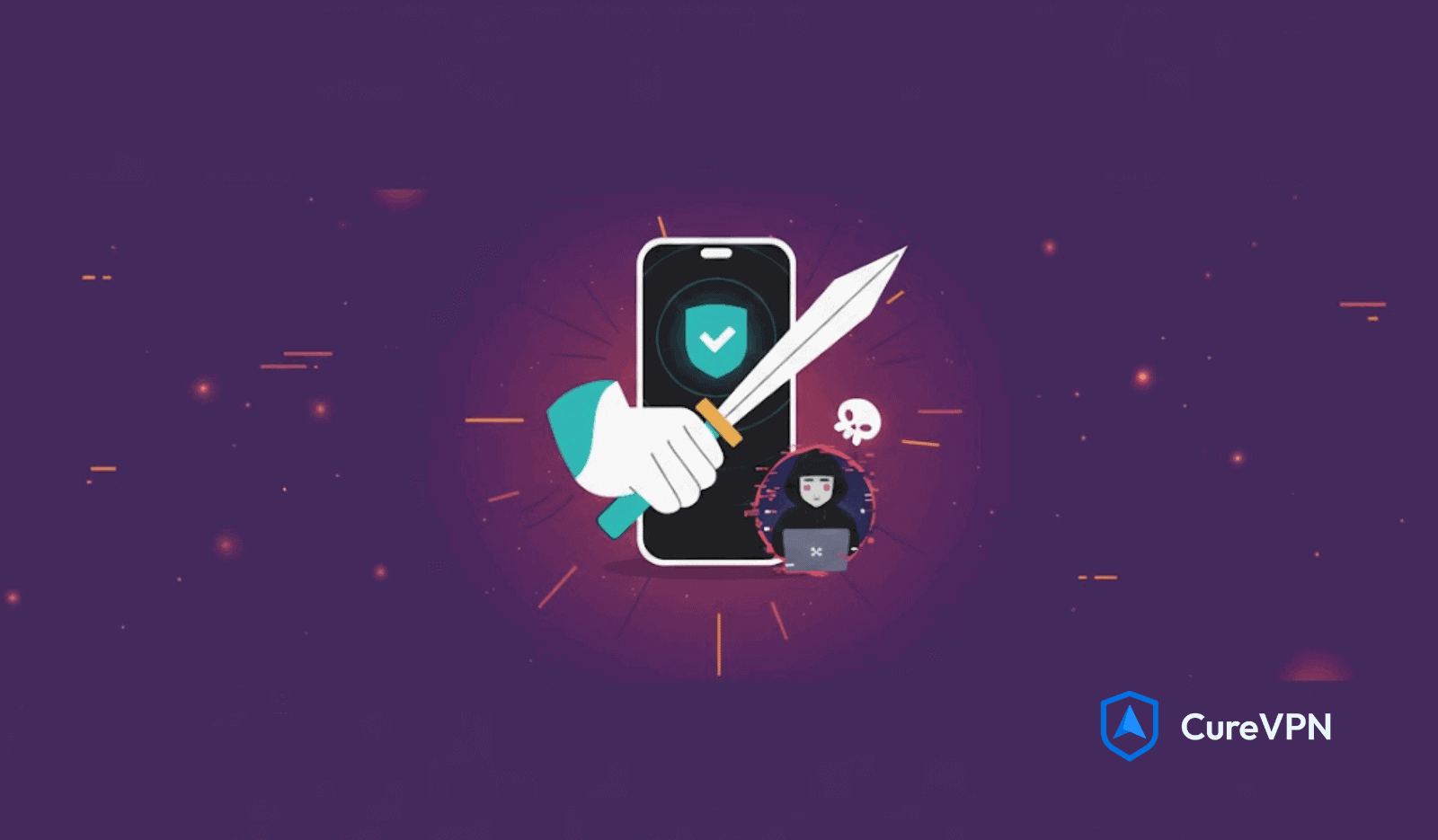
A VPN shrinks the attack surface. It does not make you invisible. Anyone promising total immunity is selling fear, not security.
How VPN Encryption Blocks Common Hacker Techniques
Strong encryption changes the economics of hacking. AES-256 encryption remains the industry standard for a reason. Breaking it through brute force is not realistic. This level of protection defines the best encryption for VPN security.
Encrypted DNS traffic matters just as much. DNS leaks expose browsing behavior even when content stays encrypted. Quality VPNs route DNS queries inside the tunnel. ISP profiling loses accuracy. Traffic shaping becomes harder. Session hijacking fails when packets stay encrypted from start to finish. This combination blocks most passive surveillance and many active attacks.
VPN vs Antivirus vs Firewall: What Protects You From What?
Confusion here leads to risky decisions. A VPN secures network traffic. It protects data moving between your device and the internet. An antivirus scans files and processes. It detects known threats and suspicious behavior.
A firewall controls inbound and outbound connections. It limits exposure at the network edge. Each tool covers a different layer. Relying on only one creates blind spots. A solid stack uses all three together.
Public Wi-Fi, Gaming, and Travel: Where VPNs Matter Most
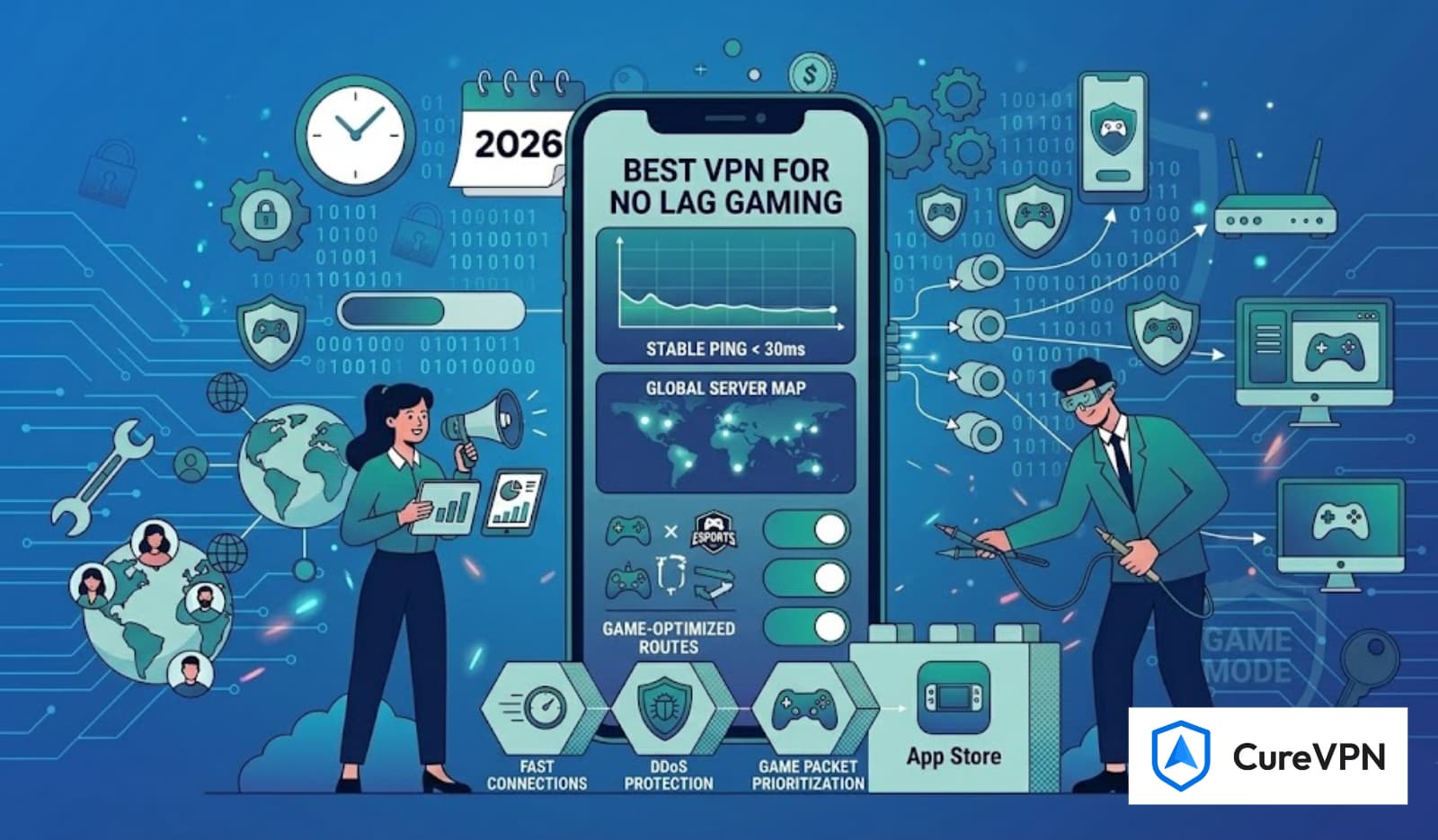
Coffee shops and airports remain prime hunting grounds. VPN usage here is not optional. It is basic hygiene. Online gaming introduces different risks. DDoS attacks target IP addresses. Matchmaking traffic leaks location data. Many players search for the best VPN for gamers to stabilize connections and avoid targeted attacks.
Travel adds uncertainty. Hotel networks share infrastructure. Regional restrictions complicate access. VPNs restore control. Home networks benefit too. The best VPN solution for home network setups protects smart TVs, consoles, and shared devices from exposure.
Common Myths About VPNs and Hackers
“VPNs stop all hacking.” No security tool offers absolute protection. “A free VPN service is good enough.” Free providers often log data, inject ads, or sell usage patterns. Some weaken encryption to cut costs.
“Hackers can hack through VPNs easily.” Breaking properly configured encryption is not simple. Most failures come from user behavior, not cryptography. Reality lives between fear and hype.
How to Choose a VPN That Actually Improves Security
Start with policy. A no-logs commitment limits damage if servers face legal pressure. Encryption standards matter. AES-256 and modern protocols signal serious engineering. A kill switch prevents traffic leaks during connection drops. DNS leak protection closes common gaps.
Server ownership and jurisdiction influence trust. Transparent infrastructure beats vague promises. Browser users should check extensions too. The best VPNs for Chrome integrate full encryption instead of acting as simple proxies. Cheap or unknown providers cut corners. Security becomes the first casualty.
Extra Security Steps to Take Alongside a VPN
VPNs work best as part of a routine.
- Use a password manager with unique credentials
- Enable two-factor authentication everywhere
- Keep operating systems and firmware updated
- Question unexpected messages and links
Many users ask, is someone spying on my phone when problems appear. Often, the issue traces back to phishing or reused passwords, not advanced surveillance. Behavior still decides outcomes.
Who Should Use a VPN for Hacker Protection?
Remote workers rely on unsecured networks daily. VPNs protect company data. Gamers face IP-based attacks and throttling. Stability improves with encryption. Travelers move across unknown networks. VPNs restore predictability.
Journalists and activists need traffic confidentiality. Encryption shields sources. Everyday users on shared networks benefit the most. Risk increases with exposure.
Final Verdict: Is a VPN Worth It for Hacker Protection?
VPNs do not replace common sense or endpoint security. They do remove major attack vectors. The value shows up fastest on public Wi-Fi, during travel, and under ISP surveillance. Encryption changes who can see your data and who cannot.
Anyone asking Can VPN stop hackers deserves a realistic answer. VPNs reduce risk. They raise the cost of attack. They protect what moves across the network.
Used alone, protection stays partial. Used correctly, alongside smart habits, a VPN becomes one of the most effective defenses available to everyday users.