
Remote work is no longer an exception. Hybrid teams, cloud workloads, and globally distributed employees now define how companies operate. Internal systems are accessed from home networks, cafés, airports, and personal devices. That shift broke the old assumption that everything inside the office firewall is safe.
Traditional perimeter-based security struggles under this reality. Static IP restrictions, exposed ports, and flat internal networks invite risk. A single compromised device can open doors across the organization. Executives often ask questions like can VPN stop hackers or is someone spying on my phone. Those concerns are not paranoia. They reflect real attack patterns seen every day.
A Corporate VPN Solution restores control. It creates a secure, encrypted bridge between users and company resources, regardless of location. Rather than trusting the network, access is granted through identity, policy, and encryption. That shift turns remote access from a liability into a managed asset.
What Is a Corporate VPN Solution?
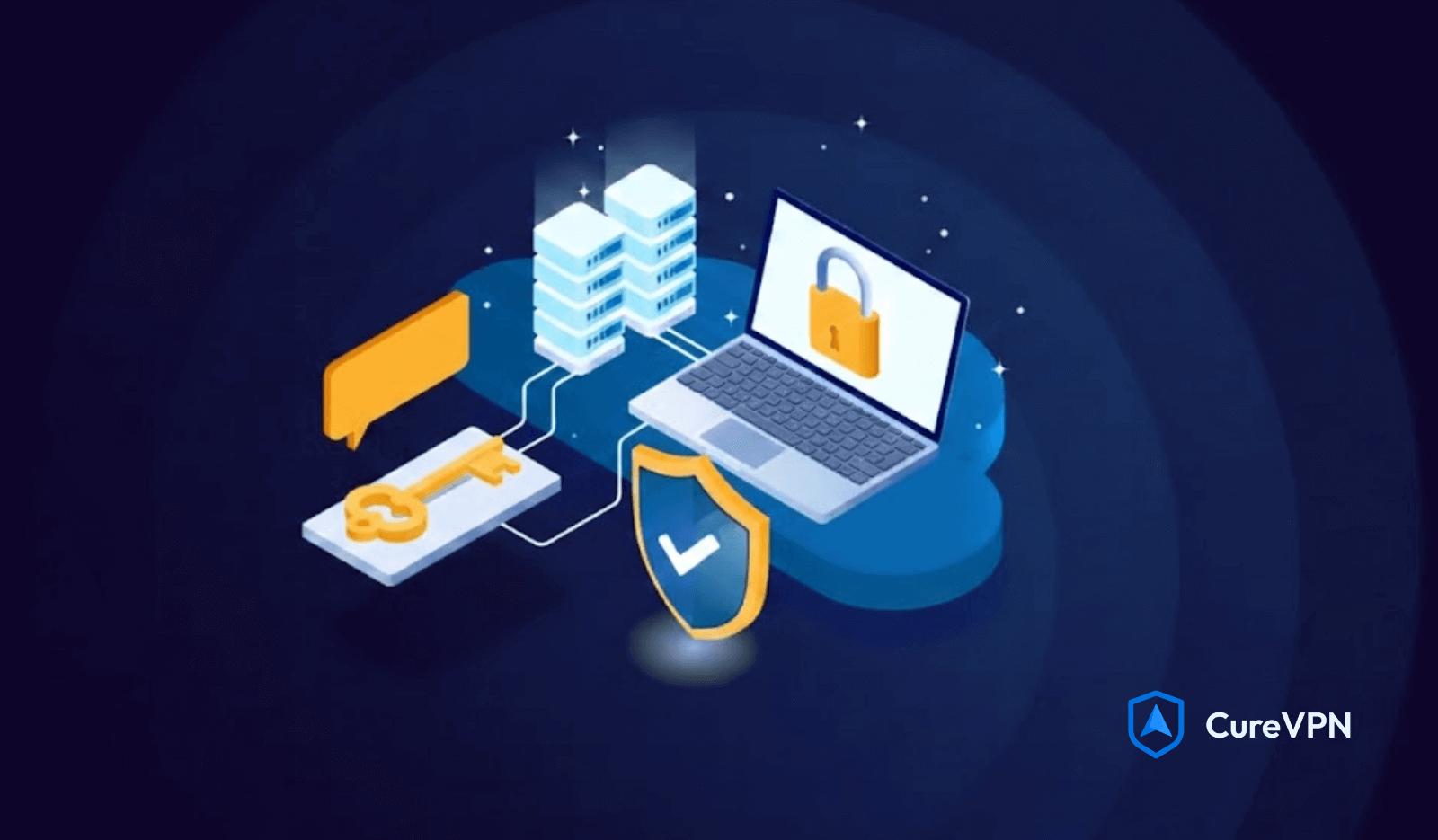
A Corporate VPN Solution is a secure networking layer that allows employees, contractors, and systems to connect to private company resources over the public internet. Traffic moves through encrypted tunnels, protected from interception, tampering, or surveillance.
Consumer VPNs focus on anonymity or streaming access. They are designed for individuals, not organizations. Enterprises use VPNs very differently. Internal applications, databases, code repositories, and admin panels sit behind controlled gateways.
Real-world enterprise usage includes:
- Secure access to internal dashboards and ERP systems
- Private connections to cloud infrastructure
- Safe collaboration across distributed development teams
- Controlled third-party access without exposing the core network
This is where a white label VPN for business becomes relevant. Companies can deploy branded, policy-driven VPNs aligned with internal security standards rather than relying on generic tools.
Core Problems a Corporate VPN Solution Solves
Unprotected remote access creates quiet but costly risks. A well-implemented Corporate VPN Solution addresses them directly.
Unauthorized access to internal systems: Stolen credentials and unsecured Wi-Fi remain common attack vectors. VPN authentication adds a hardened entry point before any internal service is reachable.
Data leakage over public or home networks: Home routers lack enterprise-grade protection. Coffee shop networks are worse. Encrypted tunnels prevent packet sniffing and session hijacking.
Compliance risks and audit challenges: Regulations demand proof of access control and data protection. VPN logs, policies, and encryption standards simplify audits.
Productivity loss due to insecure access: Blocked tools, unstable connections, and security workarounds slow teams down. A stable VPN improves workflow instead of interrupting it.
How a Corporate VPN Solution Works?
A Corporate VPN Solution relies on secure tunneling protocols that encapsulate traffic and encrypt it end-to-end. Data leaves the user device unreadable to ISPs, attackers, or compromised networks.
Authentication sits at the core:
- Username and password credentials
- Device certificates
- Multi-factor authentication tied to identity providers
Centralized access control ensures users only see what they are allowed to see. Policies define which resources each role can access. Security teams manage everything from a single console rather than chasing individual devices.
Key Features to Expect From a Modern Corporate VPN
A serious Corporate VPN Solution goes far beyond basic connectivity.
Essential capabilities include:
- AES-256 encryption, widely regarded as the best encryption for VPN security
- Role-based access control aligned with job functions
- Multi-device and cross-platform support across desktops, mobiles, and browsers
- Central admin dashboard for user and policy management
- Activity logs for audits and incident response
- Kill switch and DNS protection to prevent data leaks
Questions around DNS vs VPN often arise here. DNS protection stops domain-level leaks, while VPN encryption secures all traffic. Both work best together.
Corporate VPN vs Zero Trust and SASE Models
VPNs still excel at controlled access to private infrastructure. Zero-trust frameworks focus on continuous verification. SASE combines networking and security at the cloud edge.
Rather than competing, these models complement each other. Many organizations use VPNs as secure access layers while applying zero-trust policies inside the network. Hybrid architectures work well during gradual security transitions.
Smaller teams often start with a Corporate VPN Solution and layer additional controls later. Scale does not require abandoning VPNs. It requires evolving how they are deployed.
Use Cases by Business Type
Small and mid-sized businesses: A VPN protects internal tools without building complex infrastructure. Many also deploy the best VPN solution for home network scenarios for founders and executives.
Enterprises with global teams: Private access to regional resources avoids latency and exposure. Teams remain productive across time zones.
Development teams accessing private repositories: Code theft remains a real risk. VPN access protects Git servers, CI pipelines, and staging environments.
Finance and healthcare organizations: Sensitive records demand encrypted access paths. Compliance requirements often mandate VPN usage for remote staff.
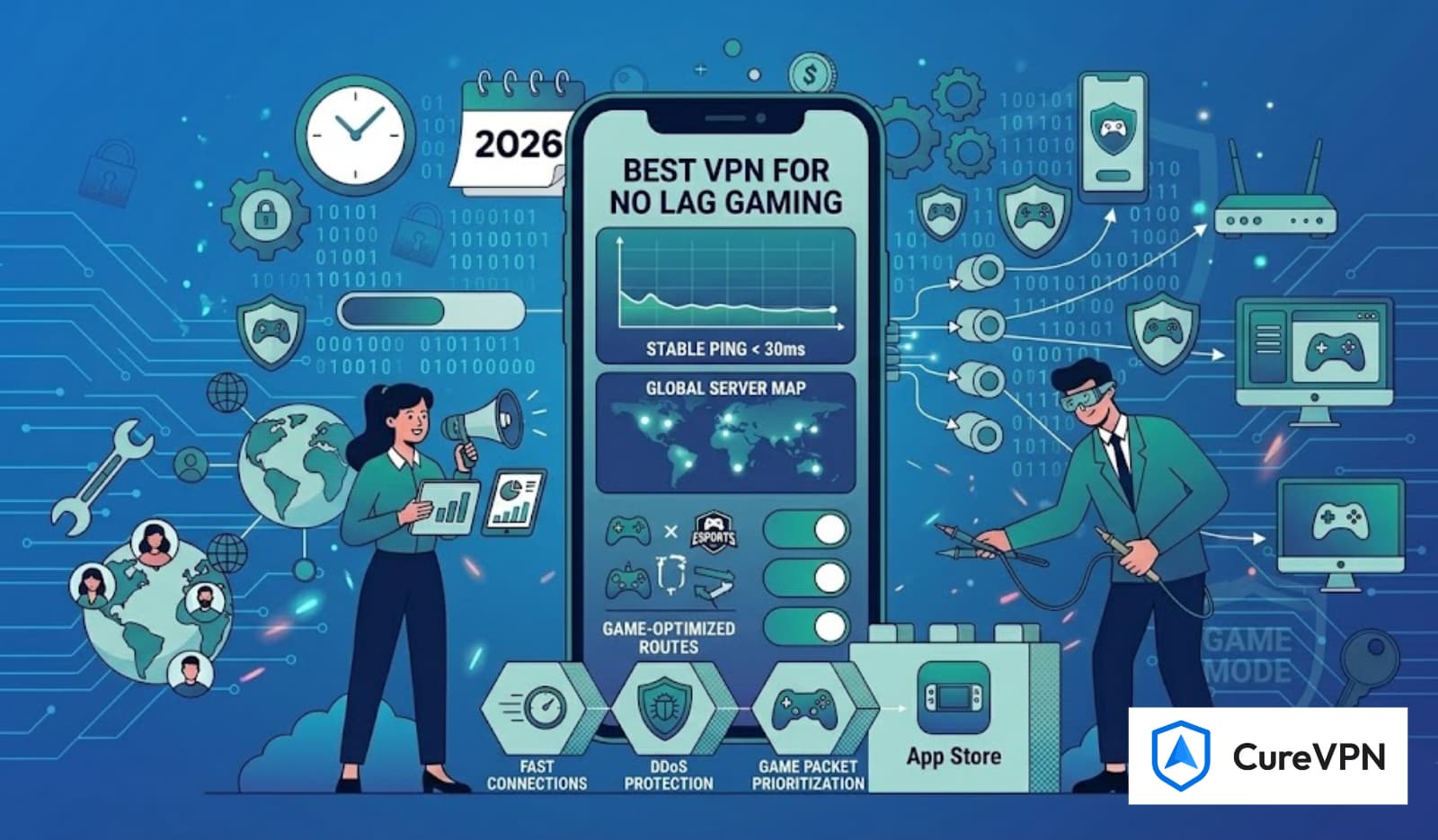
Gaming-focused divisions also benefit. Secure routing improves stability, making VPNs relevant even in performance-sensitive contexts such as choosing the best VPN for gamers or supporting internal esports initiatives.
Performance and Scalability Considerations
Security should never cripple performance. A scalable Corporate VPN Solution handles growth gracefully. Key factors include:
- Support for hundreds or thousands of concurrent users
- Intelligent bandwidth allocation
- Regional gateways for low latency
- Load balancing across servers
- High availability with uptime guarantees
Properly designed VPNs avoid lag spikes. This matters even outside corporate work. Concepts behind reducing latency overlap with consumer concerns like best VPNs for Chrome or free VPN service limitations. Free tools often collapse under load. Enterprise-grade systems do not.
Compliance, Privacy, and Legal Considerations
Regulatory pressure continues to rise. VPN architecture plays a direct role in compliance.
Key areas include:
- GDPR data protection obligations
- HIPAA safeguards for healthcare data
- SOC 2 controls for service organizations
Data jurisdiction matters. Enterprises must know where logs live and who can access them. A no-logs architecture reduces exposure and legal risk. Transparent policies build trust with both regulators and employees.
How to Choose the Right Corporate VPN Solution
Decision-makers should probe deeper than marketing claims.
Questions worth asking:
- Which encryption standards are enforced by default?
- How does identity integrate with existing systems?
- What visibility do admins have during incidents?
- How does pricing scale with user growth?
Red flags include vague logging policies, outdated protocols, or consumer-focused features disguised as enterprise tools. Total cost of ownership matters more than headline pricing.
Deployment Models: Hosted vs White Label Corporate VPN
Fully managed corporate VPN solutions suit teams that want speed and minimal overhead. The provider handles infrastructure, updates, and monitoring. A white label VPN for business offers deeper control. Branding, custom policies, and tighter integrations appeal to SaaS companies, MSPs, and security-focused enterprises.
This model fits organizations that view secure access as part of their product or service offering. Early-stage teams often start managed. Mature organizations prefer ownership and flexibility.
Future of Corporate VPN Solutions
Cloud-native infrastructure is reshaping VPN design. Elastic scaling, containerized gateways, and API-driven management are becoming standard.
AI-driven threat detection adds context to access decisions. Behavior-based alerts reduce reliance on static rules. VPNs are evolving beyond simple tunnels into adaptive security layers within post-perimeter environments.
Despite predictions of their demise, VPNs remain foundational. Their role is changing, not disappearing.
Final Takeaway: Is a Corporate VPN Solution Right for You?
A Corporate VPN Solution delivers measurable gains across security, productivity, and compliance. Organizations with remote teams, sensitive data, or regulatory exposure should treat VPN deployment as a baseline requirement rather than an optional add-on.
Teams asking whether hackers can break into their systems, whether someone might be spying on their phone, or how to protect access without slowing work already have their answer. Secure access must be intentional.
Solutions that balance encryption strength, policy control, and performance stand out. Platforms such as Cure VPN reflect this shift through practical, experience-driven design rather than buzzwords. When secure access feels seamless, teams adopt it naturally. That is where long-term trust is built.