
Smartphones quietly became the most sensitive device most people own. They hold private conversations, banking access, work credentials, location history, and personal media. That reality explains why so many people ask the same uncomfortable question.
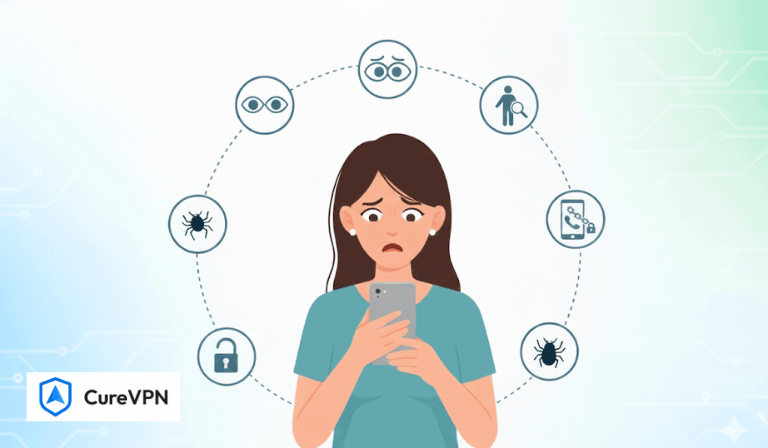
Is someone spying on my phone?
This concern is no longer paranoia. It is a rational response to how modern surveillance tools, spyware apps, and insecure networks actually work. I have seen real cases where individuals, employees, and even entire households were monitored without realizing it.
Let’s break this down clearly, calmly, and honestly.
Why Phone Spying Is More Common Than Most People Think
The problem is not that phones have become weaker. The problem is that attackers have become smarter.
Modern spyware no longer looks like malware. It hides behind accessibility permissions, device admin roles, and seemingly harmless apps. Some tools are marketed as parental control or employee monitoring software. Others operate silently through malicious configuration profiles.
What changed over the last few years is scale. Anyone with basic technical knowledge can deploy surveillance tools. That includes jealous partners, unethical employers, cybercriminals, and data brokers.
From a security standpoint, smartphones are attractive targets because they combine identity, authentication, and behavior in one place.
Clear Signs Someone May Be Spying on Your Phone
No single symptom confirms surveillance. Patterns matter more than isolated glitches.
Watch for these indicators.
- Battery draining faster than normal, even when usage habits stay the same
- Unexplained data usage spikes, especially in the background
- Unknown apps or services you do not remember installing
- Strange permissions, such as calculator apps asking for microphone access
- Delayed shutdowns or random restarts
- Echoes, clicks, or interference during calls, although this is less common today
Experienced attackers avoid obvious disruptions. That is why subtle changes matter.
How Phones Get Spied On in the Real World
Most phone spying does not involve hacking Hollywood-style firewalls. It relies on access, deception, or poor security hygiene.
Common attack paths include:
- Physical access to your unlocked phone
- Malicious apps installed outside official app stores
- Phishing links disguised as updates or delivery messages
- Unsafe public Wi Fi networks with traffic interception
- Shared Apple ID or Google account abuse
Once installed, spyware often communicates through encrypted tunnels. That makes detection harder without knowing where to look.
How to Check If Your Phone Is Being Monitored
This step requires patience, not panic. Start with what your operating system already shows you. Review app permissions carefully. Look for tools with access to location, microphone, camera, and accessibility features.
Next, inspect battery and data usage reports. Background services consuming excessive resources deserve scrutiny. On Android, check device admin and accessibility settings. On iOS, review configuration profiles and VPN settings. Security scans can help, but avoid random cleaner apps. Stick to reputable mobile security providers.
If something feels off but remains unclear, that intuition often comes from subtle inconsistencies you cannot yet name.
What to Do Immediately If You Suspect Spying
The instinct to factory reset immediately is understandable. However, that step can erase evidence if legal or safety concerns exist.
Instead, follow a structured approach.
- Update your operating system fully
- Change passwords from a different trusted device
- Enable two-factor authentication everywhere
- Remove suspicious apps carefully
- Reset network settings
In higher-risk situations, consulting a cybersecurity professional is the safest move.
How VPNs Fit Into Mobile Privacy Protection
A VPN does not remove spyware. That misconception causes harm. However, VPNs protect traffic visibility and network-level interception. That matters when surveillance relies on insecure networks or ISP level monitoring.
A secure VPN uses AES 256 encryption, modern tunneling protocols, and strong key management. This is widely regarded as the best encryption for VPN security today. For households and remote professionals, choosing the best VPN solution for home network setups adds another layer of defense, especially against Wi Fi based attacks.
From a business perspective, I often see companies exploring a white label VPN for business to protect distributed teams and customer data under their own brand. When implemented correctly, this approach improves brand equity while maintaining strong privacy controls.
Public Wi Fi, Streaming, and Surveillance Overlap
Many people first encounter VPNs while trying to solve unrelated problems. They want to know how to unblock TikTok, bypass Netflix geoblocking, or access region-restricted content. These use cases expose a deeper issue.
Public networks track traffic aggressively. Streaming restrictions exist partly because location data leaks easily. Once you understand that, privacy concerns become clearer. VPNs should not be treated as magic cloaks. They are infrastructure tools. When paired with good device hygiene, they significantly reduce exposure.
When Phone Spying Becomes a Legal Issue
Laws vary by jurisdiction, but unauthorized surveillance often violates privacy regulations. Non consensual monitoring by partners or employers crosses legal boundaries in many regions. The challenge lies in proving it.
If you suspect stalking or workplace abuse, documenting behavior patterns matters. Legal counsel or digital forensics experts can advise on next steps.
Rebuilding Control Over Your Digital Life
The goal is not fear. It is awareness. Most people asking “is someone spying on my phone” want certainty, not drama. They want to feel safe again. That comes from layered security. Strong passwords. Controlled permissions. Encrypted connections. Thoughtful network choices.
For organizations, it also includes structured solutions like a white label VPN for business, deployed with proper policies and monitoring. For individuals, it means understanding that privacy is a system, not a switch.
Once you rebuild that system, the anxiety fades. Confidence replaces it. And that is the real outcome worth aiming for.