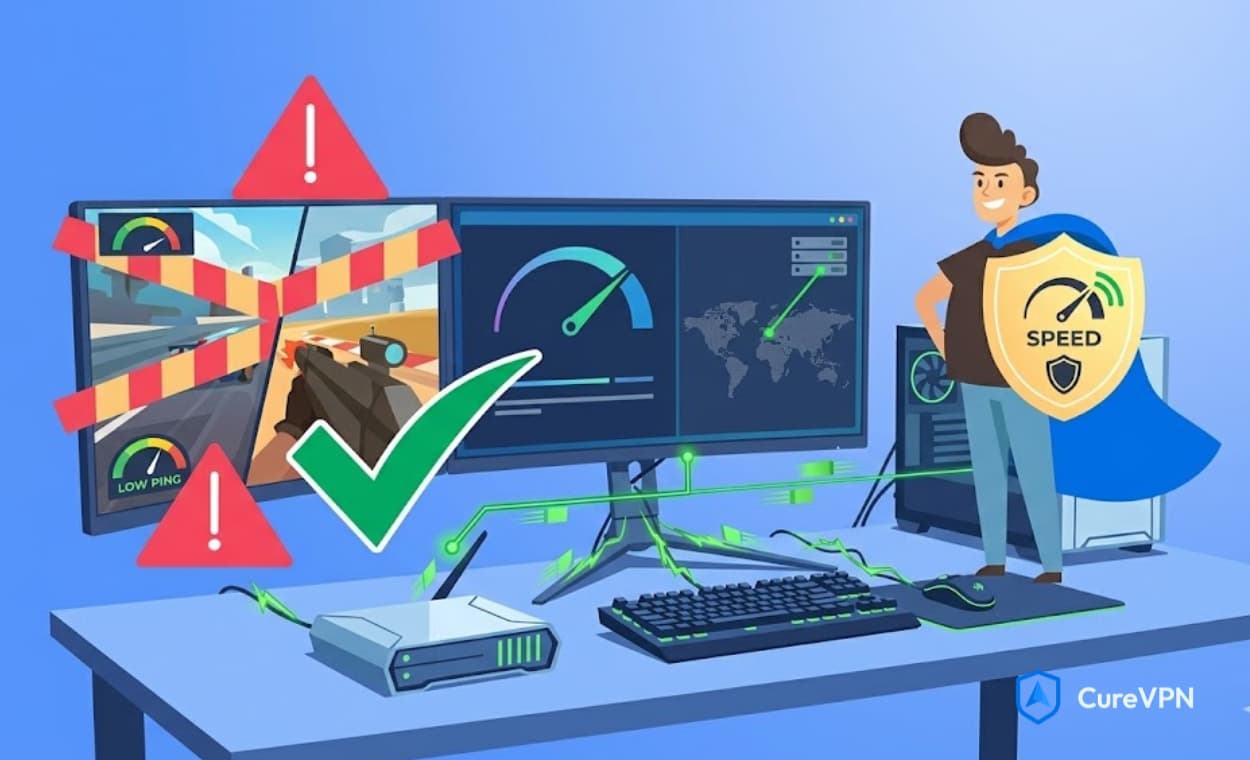

Lag at the worst possible moment. Sudden ping spikes. Getting kicked out right when the match gets intense. If you’ve been gaming online long enough, you know how frustrating that feels.
The truth is, your internet connection isn’t always the problem. Routing issues, ISP throttling, and server distance can silently ruin your performance. That’s where a VPN comes in, not as a gimmick, but as a practical tool to stabilize your connection, reduce ping in certain scenarios, and protect you from threats like DDoS attacks. But here’s the catch. Not every VPN is built for gaming. Some will actually make your lag worse.
In this guide, we’ll break down the best VPN for gamers, what actually matters for performance, and how to choose one that gives you a smoother, more consistent gaming experience without compromise.
Why Gamers Need a VPN?
The appeal of online gaming lies in its competitive nature and expansive virtual worlds. However, this interconnectedness also introduces a unique set of challenges for players. A staggering 50% of gamers identify lag or latency as their number one frustration when playing online Edgegap. This crippling delay can mean the difference between victory and defeat, especially in fast-paced multiplayer games. Beyond performance, the digital landscape presents other threats.
The gaming industry experienced a significant 94% increase in Layer 7 Distributed Denial-of-Service (DDoS) attacks over the past year Akamai, often used by disgruntled opponents to disrupt gameplay. Furthermore, gamers’ personal data can be vulnerable to cyber threats like packet sniffers on public Wi-Fi or other online attacks targeting player IP addresses. A robust gaming VPN acts as a shield against these issues, offering a comprehensive security solution and improving the overall gaming experience.
Understanding the Core Benefits for Gamers
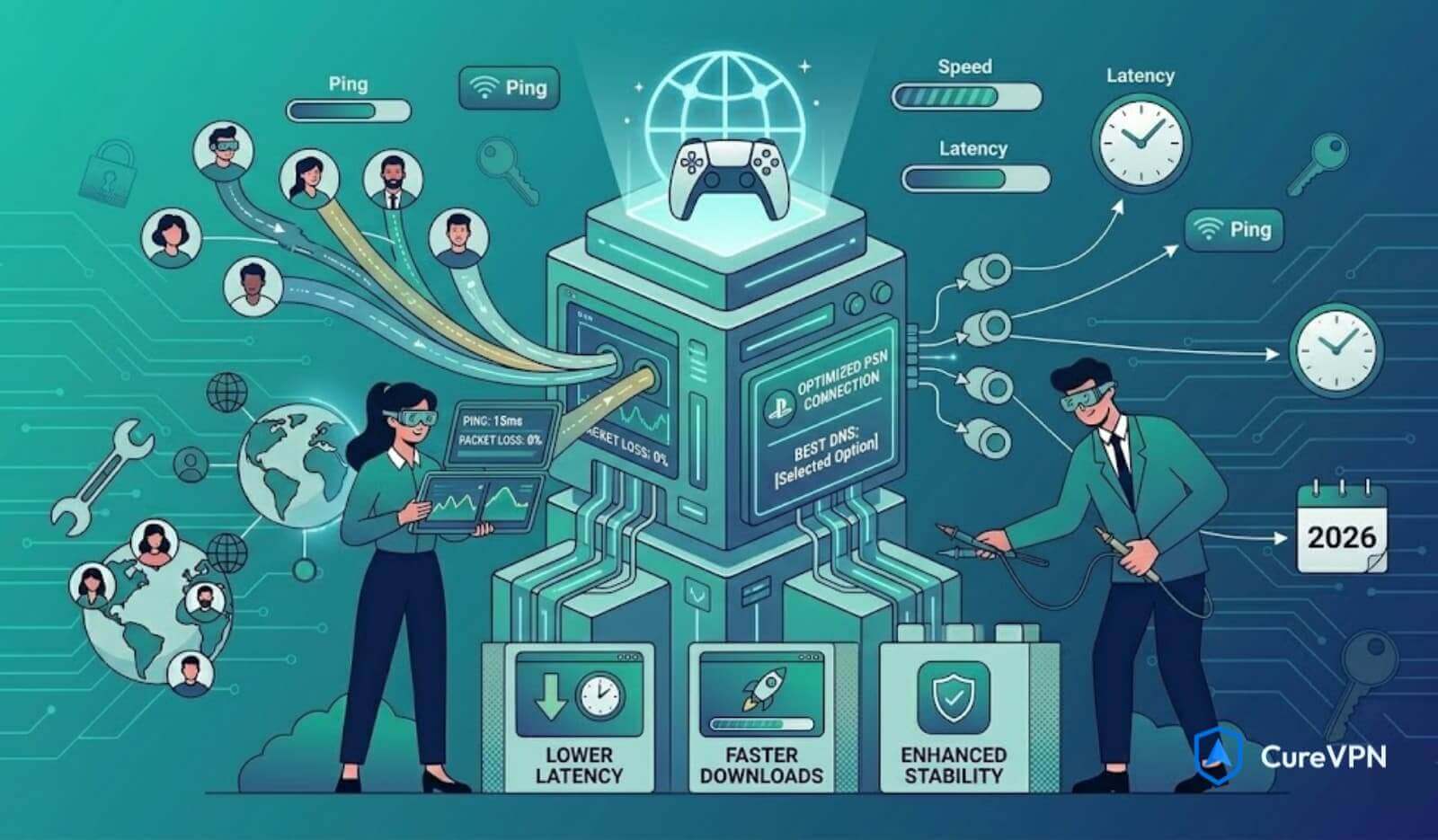
 A VPN can create a more direct connection between your device and the game server, bypassing congested ISP routes to reduce ping and minimize lag.
A well-chosen VPN service can transform your online gaming experience by directly addressing common pain points. The most impactful benefits revolve around enhancing speed and performance, bolstering security, and providing greater access to content.
i. Speed and Performance
At the heart of a great gaming experience is a fast and stable connection. Your connection speed directly influences how quickly data packets are downloaded and uploaded, which is critical for real-time gameplay. More importantly, ping time—the duration it takes for your internet traffic to travel from your device to the game servers and back—is paramount. High ping times lead to noticeable lag, where your actions in-game are delayed, making it incredibly difficult to compete effectively.
A VPN can mitigate this by rerouting your connection through more efficient pathways, potentially bypassing network congestion and sub-optimal routing that plague standard internet connections. This optimization leads to Lightning Fast Connections, reducing latency and ensuring your ping rate remains as low as possible. For many users, this also means overcoming ISP throttling, where internet service providers intentionally slow down certain types of traffic, including gaming.
ii. Security and Protection
Online gaming can expose players to various threats. DDoS attacks are a primary concern, where attackers flood a player’s IP address with overwhelming traffic, causing disconnections and ruining gaming sessions. A VPN provides robust DDoS protection by masking your real IP address with its own, making it difficult for attackers to target you directly.
Beyond these targeted attacks, the general landscape of Cyber threats is ever-present. Encryption, particularly strong AES-256 encryption, scrambles your internet traffic, protecting your personal data from malicious actors and packet sniffers. Features like a Kill switch (also known as Network Lock) are crucial; if the VPN connection drops unexpectedly, the kill switch severs your internet access, preventing your real IP address and sensitive information from being exposed.
iii. Access and Freedom
Gamers often face geographical restrictions that limit their access to games, downloadable content, or even specific game servers. A VPN allows you to connect to servers in different countries, effectively changing your virtual location. This means you can potentially access geo-restricted games, participate in early game releases in other regions, or take advantage of regional pricing. It also extends to streaming services, allowing you to access different Netflix catalogs, Disney Plus libraries, or bypass regionale blackouts imposed by streaming media companies, enriching your entertainment beyond just gaming.
How a VPN Works for Gaming: The Technicalities
To truly appreciate how a virtual private network enhances your gaming, understanding its fundamental workings is key. At its core, a VPN creates a secure, encrypted tunnel for your internet traffic to travel through. When you connect to a VPN server, your device’s original IP address is hidden, and you are assigned the IP address of the VPN server you’re connected to. This IP address masking is vital for both security and accessing geo-restricted content.
Your internet traffic is routed through this encrypted tunnel to an internet server operated by the VPN provider. This server then acts as an exit node, forwarding your traffic to its final destination on the internet. The advantage for gamers lies in the VPN provider’s expansive server network. Standard internet routing can be unpredictable and inefficient, often leading to sub-optimal routing that adds latency.
A VPN can reroute your connection to a closer or better-connected VPN server, establishing a more direct path to the game servers. This can bypass congested routes or edge cases in the general internet infrastructure that cause lag. By choosing a VPN with strategically located servers based in Germany and the US, for example, you can potentially find a more optimized path to game servers located in those regions. Understanding these technical aspects helps gamers make informed decisions about their server selection to maximize performance.
VPN Protocols: The Backbone of Your Connection
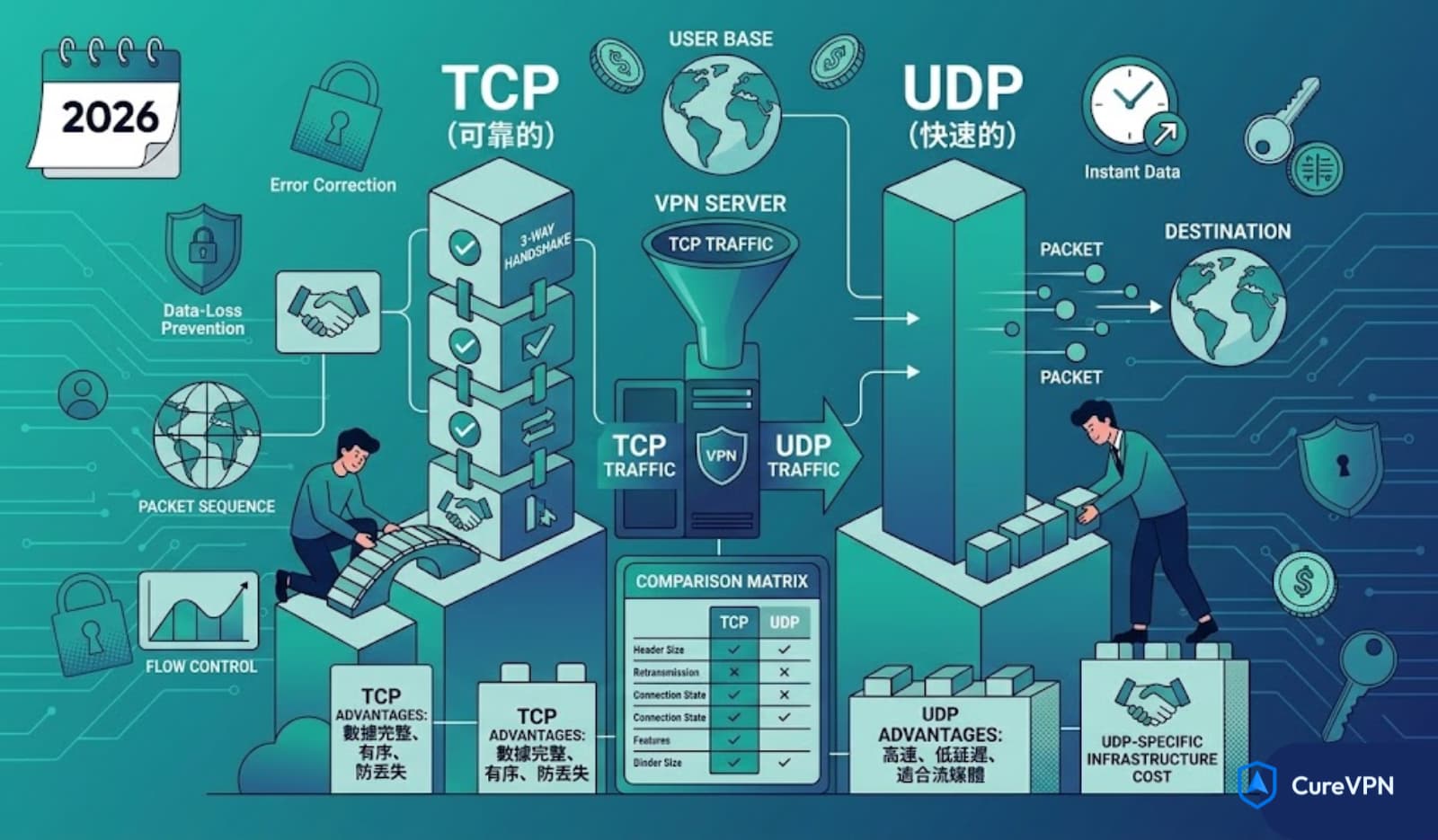
The protocol a VPN uses significantly impacts its performance, especially for bandwidth-intensive activities like gaming. Different VPN Protocols offer varying balances of speed, security, and stability.
For gaming, speed and low latency are paramount, making certain protocols stand out. The WireGuard protocol has emerged as a game-changer. It’s a modern, open-source protocol designed for speed and simplicity. Its streamlined design means less overhead, resulting in significantly faster connection speeds and reduced ping times. Many providers have implemented WireGuard VPN protocol as their default or a primary option due to its superior performance characteristics for gaming.
Another strong contender is the Lightway protocol, developed by ExpressVPN. Similar to WireGuard, it focuses on speed and reliability, offering excellent performance for gaming and bypassing network restrictions. The Lightway VPN protocol is engineered for stability and efficiency, ensuring consistent connection speed and minimal latency even on less reliable networks.
Some VPNs also offer proprietary protocols or optimizations, such as RAM-disk mode, which enhances security by ensuring that no data is permanently stored on the VPN server’s hard drive. While older protocols like OpenVPN are still widely used and highly secure, they often introduce more overhead, making them less ideal for demanding gaming sessions where every millisecond counts. Choosing a VPN that supports modern protocols like WireGuard or Lightway is crucial for a superior gaming experience.
Choosing the Right VPN: Key Features for Gamers
When selecting a gaming VPN, specific features should take precedence to ensure optimal performance and security. It’s not just about finding any VPN service; it’s about finding one tailored to the demands of modern gaming.
A vast and well-distributed server network is fundamental. The more servers a VPN has and the more countries they are located in, the higher the chance you’ll find a fast, low-latency connection to your desired game servers. Look for VPNs with servers optimized for gaming or those known for consistently low ping times. The actual connection speed offered by the VPN is non-negotiable. High download and upload speeds, coupled with minimal speed loss from the VPN’s encryption and routing, are essential. Providers that boast about Lightning Fast Connections are often a good starting point.
Robust DDoS protection is a critical security feature, safeguarding your gaming sessions from disruptive attacks. A reliable Kill switch (or Network Lock) is also paramount, ensuring that your real IP address and personal data are never exposed, even if the VPN connection flickers. Split tunneling is another highly valuable feature for gamers. It allows you to choose which applications use the VPN connection and which connect directly to the internet. For instance, you could route your game’s internet traffic through the VPN for lower ping while using your browser for other tasks directly, optimizing your entire gaming experience.
Consideration should also be given to the VPN’s compatibility with your preferred gaming platforms, including PC gaming, mobile gaming, and gaming consoles like the PlayStation or Nintendo Switch. Ease of use, a strong no-logs policy, and transparent privacy practices are also important for a comprehensive security solution. Providers like Proton VPN, known for its speed and security, and Norton Secure VPN, offering a broad security suite, are often evaluated on these merits.
Top VPNs for Gaming
Selecting the best VPN for gaming involves weighing several factors, including speed, server network, security features, and ease of use across various gaming platforms. While many VPNs offer decent performance, a few consistently rise to the top for their dedication to gamer needs.
1. Nord VPN
Nord VPN is a perennial favorite, boasting an extensive server network and impressive connection speed. Its custom-built NordLynx protocol, based on WireGuard, delivers exceptional performance for gaming, ensuring low ping times and stable connections. NordVPN also offers strong DDoS protection and a reliable Kill switch, making it a comprehensive security solution for any gamer.
2. Express VPN
Express VPN is another top-tier choice, renowned for its speed and reliability. Its proprietary Lightway protocol is a significant advantage, providing Lightning Fast Connections and excellent stability, crucial for uninterrupted gaming sessions. ExpressVPN’s global server network is vast, allowing for optimized routing to game servers worldwide. It also offers robust security features and user-friendly apps compatible with all major gaming platforms.
3. Surfshark
Surfshark offers a compelling blend of affordability and performance. It supports the WireGuard protocol, ensuring good speeds and low ping rates for gaming. Surfshark’s unlimited simultaneous connections are a bonus for households with multiple gamers, and its split tunneling feature is a useful tool for managing internet traffic. While its server network might be slightly smaller than NordVPN’s or ExpressVPN’s, it’s still sufficient for most gaming needs.
4. Proton VPN
Proton VPN stands out for its commitment to privacy and security, offering a genuinely free tier that can be useful for basic use, though premium plans are recommended for optimal gaming performance. Its paid tiers provide access to faster servers and more advanced features, including strong encryption and robust DDoS protection. Proton VPN’s focus on security makes it a solid choice for gamers concerned about Cyber threats and protecting their personal data.
Gaming on Different Platforms with a VPN
The benefits of a VPN extend across all gaming platforms, though the implementation and specific advantages might vary. For PC gaming, setting up a VPN is typically straightforward, involving downloading a dedicated client. This allows direct control over your connection to optimize for connection speed and reduce ping time for titles on Steam, Epic Games Store, or other launchers.
Mobile gaming on smartphones and tablets also benefits greatly from VPNs. With apps available for iOS and Android, you can protect your IP address and potentially improve internet speeds by bypassing ISP throttling or congested mobile networks. This is particularly useful for competitive mobile games where low latency is critical.
When it comes to gaming consoles like the PlayStation, Xbox, and Nintendo Switch, direct VPN installation isn’t usually possible. However, you can still leverage a VPN by installing it on your router or by using a VPN-enabled network adapter. This protects all devices on your network, including your console, ensuring smoother gaming sessions and safeguarding your IP address from potential attacks. This setup is also ideal for cloud gaming services like Google Stadia.
Advanced Use Cases and Considerations
Beyond the primary benefits of speed and security, there are advanced ways gamers can leverage a VPN, along with important considerations. For users in peer-to-peer networks or those downloading large game updates, a VPN can help manage and secure P2P traffic, protecting your IP address from being exposed to other peers. It can also be invaluable for troubleshooting edge cases related to network connectivity; by connecting to different VPN servers, you can test if a connection issue stems from your ISP or a specific route to the game servers.
A common question is, “Can a VPN Increase My Ping?” The answer is sometimes. If the VPN server you choose is poorly located relative to the game server, or if the VPN provider’s network is congested, your ping could indeed increase. This is why selecting a VPN with a vast network of fast servers and utilizing features like split tunneling to direct only game traffic through the VPN is crucial. Experimenting with different server selection options is key to finding the optimal setup.
It’s also important to be aware of potential account safety concerns. Some game platforms, like Steam, have terms of service that prohibit using VPNs to mask your location for purchasing games at different regional prices. While most VPN usage for performance enhancement or security is generally overlooked, users should be mindful of platform policies to avoid any potential account issues, like warnings about using IP proxying. Always ensure your VPN service is reputable and has a clear stance on user privacy and data handling.
Conclusion
At the end of the day, the best VPN for gamers isn’t about flashy features or big promises. It’s about consistency. A good VPN should give you stable connections, reliable speeds, and the flexibility to connect to the right servers when it matters most. Whether you’re grinding ranked matches, streaming gameplay, or just trying to avoid lag spikes, the right setup can make a noticeable difference.
That said, a VPN isn’t a magic fix for everything. Your base internet still matters. But when used correctly, it can remove hidden bottlenecks and give you more control over your connection. If you’re serious about your gaming experience, it’s worth testing a VPN that’s optimized for performance and seeing the difference for yourself. Because in competitive gaming, even a small edge can change the outcome