
Every online action starts quietly with a DNS request. Few users think about it, yet that single request can expose browsing habits, gaming activity, and even business intent. Most data breaches do not begin with stolen passwords. They begin with leaked metadata.
That is where encrypted DNS traffic becomes a critical upgrade, not a nice-to-have feature.
Modern privacy threats do not rely on breaking encryption anymore. Instead, they observe behavior. DNS sits right at that intersection. Understanding how DNS works, what it leaks, and how encryption changes the equation gives users a real advantage, whether they care about privacy, performance, or competitive gaming.
1. Why DNS Privacy Matters Today
Every time a website address gets typed, a request leaves the device asking where that site lives on the internet. This happens before any page loads, videos stream, or games connect.
That DNS request reveals:
- The domain you want to reach
- The time of the request
- The device network is making the request
- Patterns that show habits over time
Most users protect their traffic but leave DNS wide open. Internet service providers, network admins, and malicious actors can log these requests without touching encrypted content. That makes DNS a silent privacy risk.
Encrypted DNS traffic flips this model by hiding the request itself. Observers see traffic, but not intent. That single change reduces tracking, profiling, and interference at a fundamental level.
2. What DNS Is and How It Normally Works
DNS works like the Internet’s address book. Human-readable names get translated into IP addresses that machines understand.
Traditional DNS works over plain text. That means:
- Requests are readable
- Responses can be altered
- Logs can be stored indefinitely
Anyone controlling the network path can see where traffic tries to go. This includes ISPs, public Wi-Fi operators, enterprise firewalls, and hostile actors performing passive surveillance.
For gamers, this visibility creates another problem. DNS routing affects matchmaking latency. Choosing the best DNS servers for gaming can influence how fast a game connects to servers, especially for titles like Warzone.
3. What Is Encrypted DNS Traffic
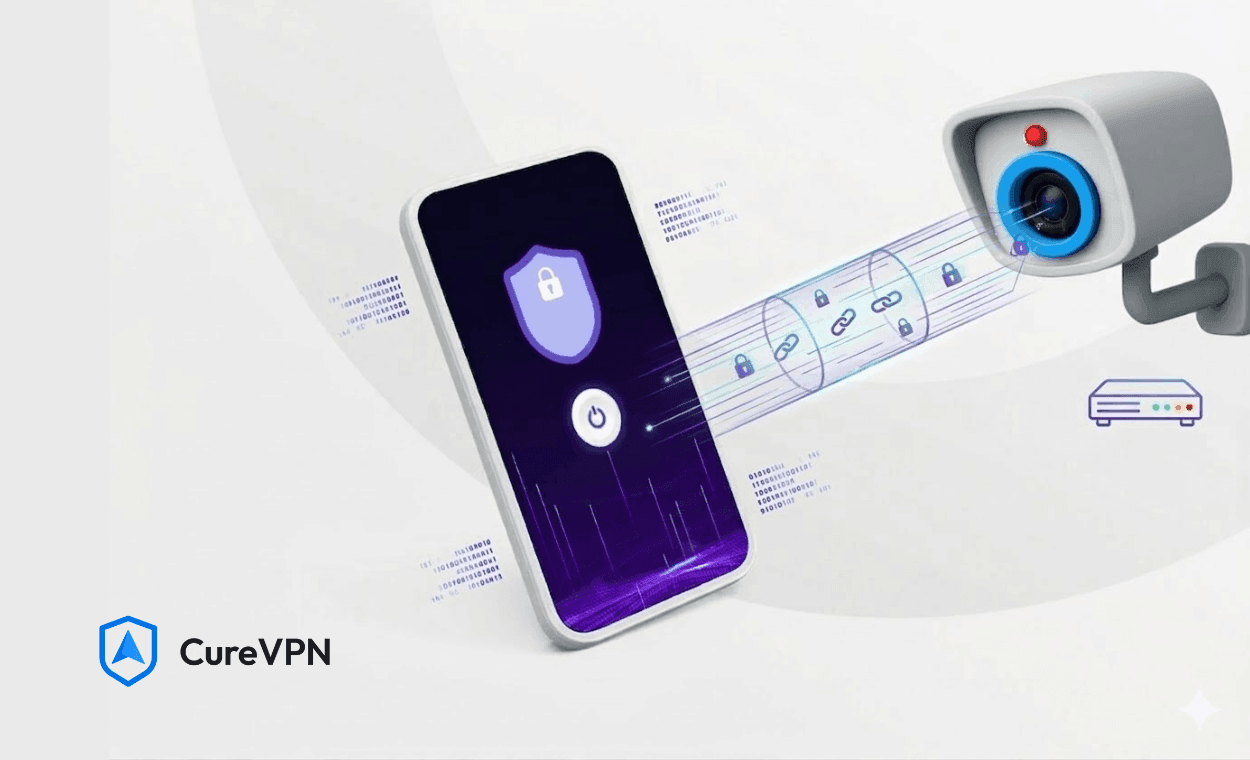
Encrypted DNS traffic means DNS queries travel inside an encrypted tunnel instead of plain text.
Encryption ensures:
- Requests cannot be read or modified
- Responses remain authentic
- Metadata leakage gets reduced significantly
Unencrypted DNS exposes intent. Encrypted DNS protects it. That difference matters far more than most users realize.
4. Types of Encrypted DNS Protocols
DNS over HTTPS DoH
DoH wraps DNS inside HTTPS traffic. Browsers like Chrome and Firefox already support it. Network filters struggle to block or inspect it without breaking web traffic entirely.
DNS over TLS DoT
DoT encrypts DNS at the transport layer. Many operating systems and routers support it. This option offers strong security but remains easier to identify and block at the network level.
Emerging Standards
Encrypted Client Hello and Oblivious DNS aim to reduce even more metadata leakage. Adoption is growing as regulators and enterprises reassess surveillance models.
5. Why Encrypted DNS Traffic Is Critical for Privacy
Privacy loss rarely happens all at once. It erodes quietly.
Encrypted DNS traffic helps by:
- Preventing ISP tracking and behavioral logging
- Reducing surveillance exposure on public networks
- Protecting browsing intent from profiling engines
Public Wi-Fi networks remain one of the most abused attack surfaces. DNS manipulation on those networks still causes redirects, phishing attempts, and silent data collection.
6. Security Benefits Beyond Privacy
DNS attacks rarely make headlines, yet they cause real damage.
Encryption blocks:
- DNS spoofing
- Man in the middle manipulation
- Malicious redirection to phishing pages
Zero-trust networking models treat DNS as untrusted by default. Encrypted DNS aligns perfectly with that mindset by authenticating requests and responses end-to-end.
Strong encryption matters here. The debate around aes 256 vs aes 128 still appears often. Both remain secure, yet AES-256 provides higher resistance against future cryptographic advances. That strength makes it part of the best encryption for VPN security strategies today.
7. Encrypted DNS vs VPN: What’s the Difference
This comparison causes confusion.
DNS vs VPN is not an either-or choice. DNS encryption protects name resolution. VPNs encrypt all traffic and mask IP addresses.
Encrypted DNS alone:
- Hides browsing intent
- Does not hide the IP address
- Does not change geographic routing
VPNs alone:
- Encrypt traffic
- Hide IP addresses
- Still leaks DNS unless configured properly
The strongest setup combines both. A VPN with encrypted DNS ensures traffic and intent stay private. This matters greatly for gamers using a VPN for Call of Duty or competitive players seeking a stable VPN for the Warzone experience.
8. Common Use Cases for Encrypted DNS Traffic
Home Users and Families
Parental controls, ISP filters, and DNS hijacking affect home networks daily. Encrypted DNS restores control.
Businesses and Remote Teams
Corporate espionage often starts with DNS analysis. Encrypted DNS reduces metadata exposure while supporting zero-trust frameworks.
Privacy Focused Users and Gamers
Competitive gamers care about latency and routing. Choosing the right DNS and VPN combination helps fix lag spikes. Many players search for How to Fix Lag in Call of Duty without realizing DNS routing plays a role.
9. How to Enable Encrypted DNS Traffic
Browsers
Modern browsers allow encrypted DNS with a few clicks. Providers like Cloudflare and Google support it.
Operating Systems
Windows, macOS, Android, and iOS now support system-level DNS encryption.
VPN and Security Tools
High-quality VPNs bundle encrypted DNS automatically. This matters for console gamers looking for the Best Console VPN experience.
PlayStation users often ask about Google DNS for PS5. While Google DNS improves reliability, encrypted DNS paired with a VPN improves privacy and routing consistency.
10. Limitations to Consider
Encrypted DNS adds a slight processing overhead. Performance impact stays minimal on modern hardware but becomes noticeable on outdated routers.
Trust still matters. DNS providers can see queries unless using advanced privacy models. Choosing providers with strict no-log policies remains essential.
Some enterprise networks block encrypted DNS intentionally. Compatibility testing becomes necessary in corporate environments.
11. The Future of Encrypted DNS and Internet Privacy
Encrypted DNS adoption continues to accelerate. Browsers push it by default. VPN providers integrate it deeply. Regulators struggle to balance surveillance and privacy rights.
ISPs resist losing visibility, yet user demand keeps rising. Gaming communities also drive adoption as players seek lower latency, cleaner routing, and fewer throttling issues.
Expect encrypted DNS to become the baseline rather than an advanced option.
Last Words: Is Encrypted DNS Traffic Worth It?
The answer depends on awareness, not complexity.
Users who value privacy gain immediate protection. Gamers gain routing stability and reduced interference. Businesses reduce metadata exposure without rearchitecting networks.
Encrypted DNS traffic does not replace VPNs. It completes them. Together, they form a modern privacy stack that matches current threat models rather than outdated assumptions.
Anyone serious about digital privacy, competitive gaming, or secure remote work should enable it now rather than later. The barrier to entry is low. The upside remains substantial.