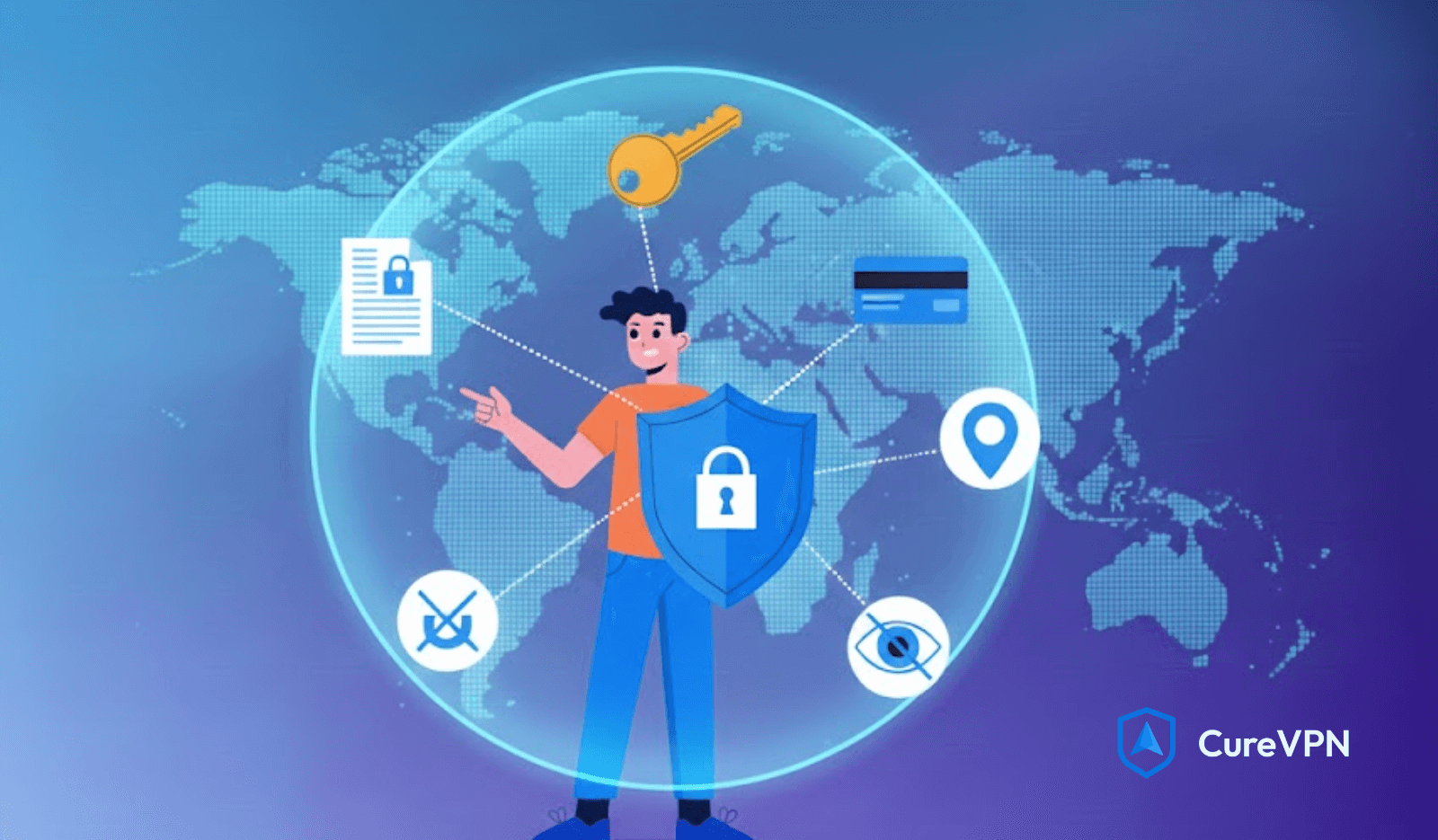

The way people use the internet has changed faster than most security habits. Browsing, streaming, remote work, payments, and even casual searches now leave permanent data trails. These trails are not abstract. They are tracked, analyzed, sold, and sometimes abused.
Data tracking has evolved beyond simple cookies. ISPs monitor browsing behavior. Apps collect metadata silently. Advertising networks build behavioral profiles tied to IP addresses. Government surveillance in some regions adds another layer of visibility. Together, these systems create a full picture of who you are online, often without explicit consent.
Every day browsing exposes more than most users realize. A single unprotected Wi-Fi session can reveal browsing history, approximate location, device type, and usage patterns. Streaming platforms, including cases like VPN for Tubi, often restrict or monitor traffic based on IP intelligence. Even routine actions such as checking email or logging into social media can leak identifying signals.
This reality explains why VPN for privacy has moved into the mainstream. What was once viewed as a tool for activists or tech professionals is now a baseline defense for ordinary users. More importantly, modern users do not just want privacy. They want VPN for security that actively prevents interception, profiling, and misuse of their data.
What Does Privacy Mean in the VPN Context?
Privacy, anonymity, and security are often used interchangeably, but they serve different purposes.
Privacy focuses on limiting who can see your data. Anonymity attempts to hide who you are. Security ensures your data cannot be intercepted or altered. A VPN for security primarily strengthens privacy by encrypting traffic and masking identifiers, not by making users invisible.
A VPN realistically protects:
- Your IP address from websites and trackers
- Traffic from being read on public or unsecured networks
- DNS queries from leaking to ISPs
- Session data from man-in-the-middle attacks
However, VPNs do not erase identity. Logged-in accounts, browser fingerprints, and device identifiers still matter. This distinction is critical for setting realistic expectations.
One common misconception is that VPN privacy is absolute. It is not. Another is assuming all VPNs behave the same. Logging policies, infrastructure design, and jurisdiction directly affect real-world privacy outcomes. Understanding these limits helps users choose VPN solutions for home and business environments more intelligently.
Relevant concepts include online privacy, data protection, and internet privacy, but the effectiveness depends on how the VPN is implemented, not the label on the website.
How a VPN for Privacy Works?
A VPN creates a protected tunnel between your device and a remote server. This tunnel changes how data travels across the internet.
First, the VPN masks your IP address. Websites see the VPN server’s IP instead of your own. This process is known as location obfuscation. It reduces tracking accuracy and limits geo-based profiling.
Second, traffic encryption secures the data itself. Strong providers use AES-256 encryption, the same standard trusted by financial institutions and government networks. Even if data is intercepted, it remains unreadable.
Third, secure tunneling protocols manage how data moves. Protocols like OpenVPN, WireGuard, and IKEv2 create a secure tunnel that resists tampering. The result is an encrypted connection that protects browsing sessions, streaming activity, and background app traffic.
This architecture enables private browsing without relying on browser-level privacy tools alone. It also explains why a VPN can answer common concerns, such as Can VPN stop hackers. While no tool is perfect, encryption and tunneling significantly raise the barrier for attackers.
Key Privacy Features to Look for in a VPN
Not all VPNs deliver the same level of protection. Several features directly impact real-world privacy.
No-logs policy: A genuine no-logs policy means the provider does not store browsing activity, connection timestamps, or IP addresses. This matters because data that does not exist cannot be leaked or subpoenaed.
Strong encryption standards: Look for AES-256 encryption paired with modern key exchange mechanisms. Weak encryption undermines the entire privacy promise.
Private DNS and leak protection: DNS leaks expose browsing behavior even when traffic is encrypted. A privacy-focused VPN routes DNS queries through its own resolvers and blocks IPv6 and WebRTC leaks.
Kill switch and tracker blocking: A kill switch cuts internet access if the VPN disconnects unexpectedly. Tracker blocking reduces exposure to advertising networks and profiling scripts.
From an EEAT standpoint, these features are not marketing checklists. They are technical safeguards that directly affect whether a VPN for security performs as promised.
VPN for Privacy vs Free VPNs: What’s the Trade-Off?
Free VPNs attract users quickly, but the economics rarely align with privacy goals.
Operating a VPN infrastructure costs money. Servers, bandwidth, engineering, and security audits are not free. When users are not paying, data often becomes the product. Many free VPN services monetize through:
- Activity logging
- Injected advertising
- Third-party data sharing
These practices create risks that contradict the purpose of using a VPN. Logging introduces traceability. Ads increase tracking surface. Data resale undermines trust.
Paid VPNs align incentives differently. Subscription revenue supports infrastructure and privacy engineering rather than data extraction. This distinction directly addresses the search intent behind questions like “Is a VPN really private?”
Free VPN service options may work for testing, but relying on them for long-term privacy or VPN for security often introduces more exposure than protection.
Who Needs a VPN for Privacy the Most?
Privacy risks are not evenly distributed. Certain groups face higher exposure.
Remote workers and freelancers: Public Wi-Fi, cloud platforms, and client data require consistent protection. A VPN reduces interception risk and prevents IP-based profiling.
Journalists and researchers: Sensitive sources and research topics attract surveillance. VPN usage adds a protective layer against monitoring.
Travelers using public Wi-Fi: Airports and hotels remain high-risk environments. VPN encryption protects sessions from network-level attacks.
Every day, users avoid ISP tracking: Many people simply want their browsing habits to remain private. This group often searches for the best VPN for privacy for everyday users, prioritizing ease of use and reliability.
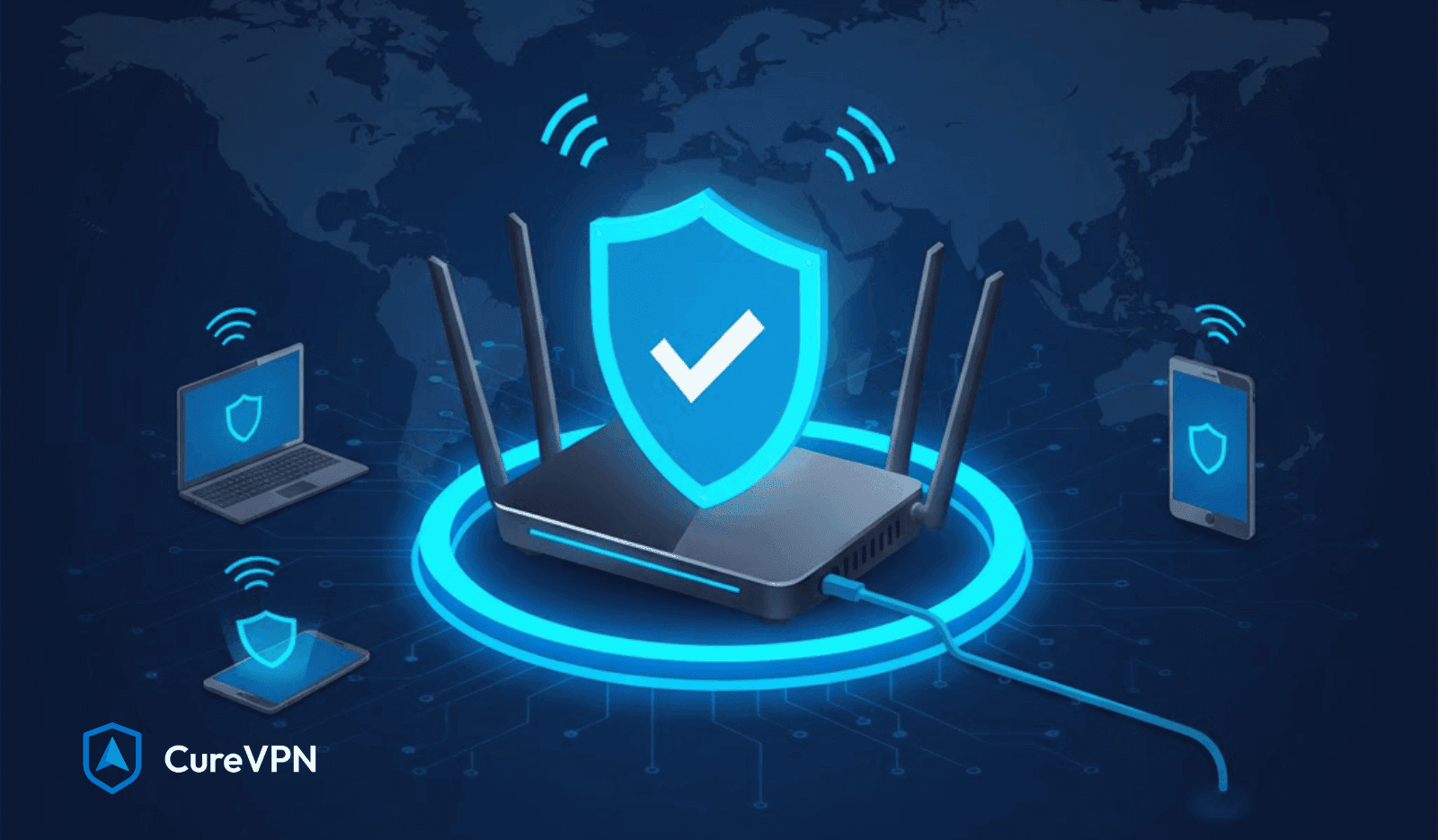
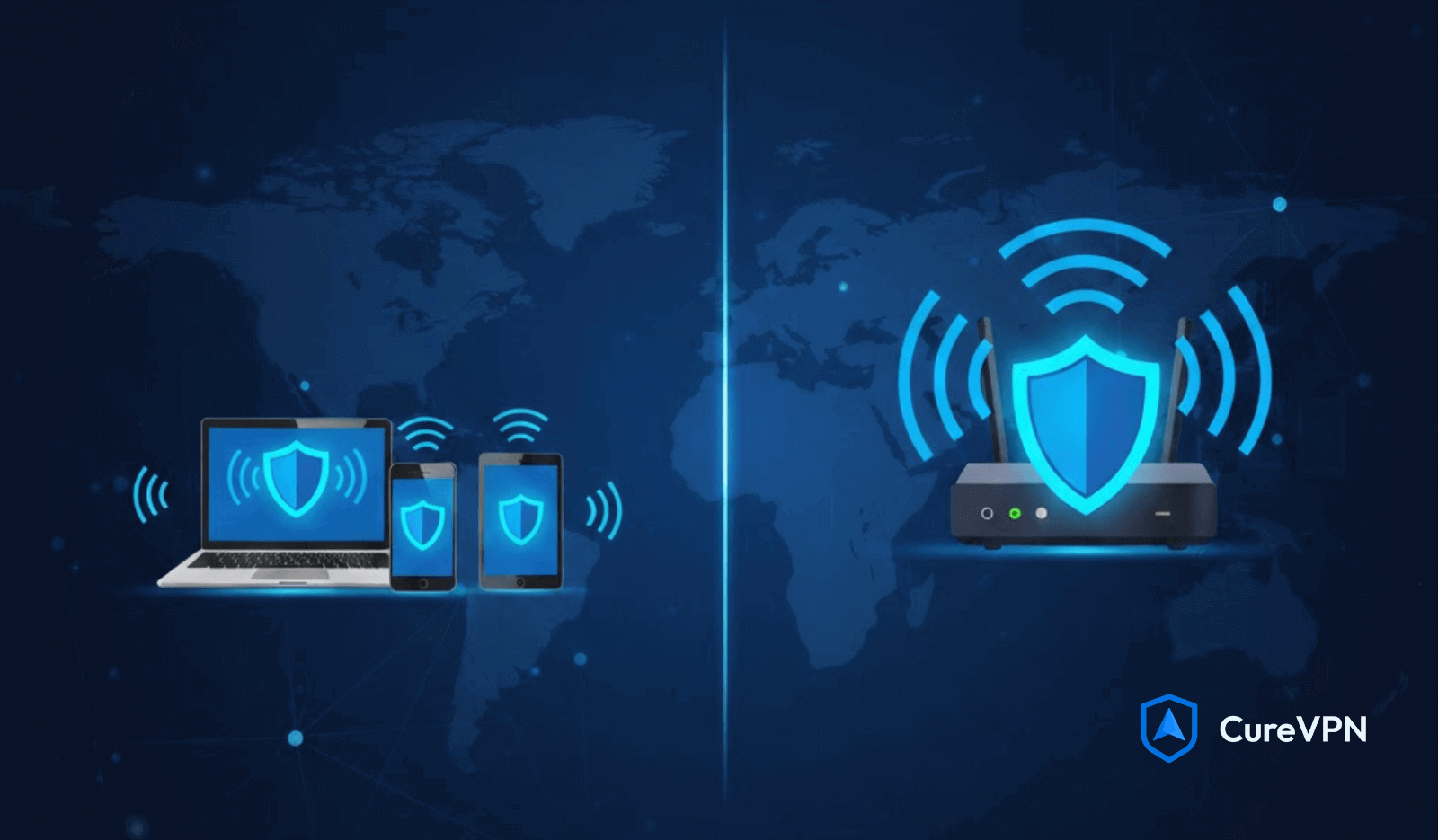
Home users increasingly adopt VPN on router setups. This approach protects every connected device automatically, from smart TVs to phones. Comparing VPN for home vs. VPN on router helps users decide between device-level control and network-wide coverage.
Legal and Ethical Considerations of VPN Privacy
VPN legality depends on jurisdiction. In most countries, using a VPN is legal. Restrictions usually target misuse rather than the technology itself. Data jurisdiction matters. VPN providers operate under the laws of their registered countries. Privacy-friendly jurisdictions limit mandatory data retention and government access.
Ethical providers publish clear privacy policies and undergo independent audits. Transparency builds trust. Users should understand what data is collected, why it exists, and how it is protected. Compliance with global privacy standards signals maturity. Respect for user rights reinforces the credibility of a VPN for security provider beyond marketing claims.
Limitations of VPNs for Privacy
VPNs are powerful but not magical. They do not protect against malware installed on a device. They cannot prevent account-level tracking when users log into services. Browser fingerprinting still exists.
Strong privacy requires good hygiene. Secure browsers, updated operating systems, and cautious permission management matter. Combining VPNs with DNS filtering, password managers, and endpoint security creates layered protection.
Questions like Is someone spying on my phone often stem from app permissions or compromised devices rather than network exposure. VPNs help, but they are one piece of a broader strategy. Balanced security thinking recognizes both strengths and limits without overselling capabilities.
How to Choose the Right VPN for Privacy?
Choosing the right provider requires scrutiny. Evaluate credibility by examining:
- Company history and leadership
- Independent security audits
- Transparent infrastructure disclosures
Audits validate claims about logging and encryption. Providers unwilling to undergo audits deserve skepticism.
Red flags include vague privacy policies, excessive permissions, and unrealistic performance promises. Browser extensions should be reviewed carefully, especially when evaluating Best VPNs for Chrome options that may differ from full client software. Commercial intent matters here. The right VPN is not the cheapest or loudest. It is the one that aligns incentives with long-term user trust.
Final Thoughts: Making Privacy a Daily Habit
Privacy is not a one-time decision. It is a habit shaped by tools and behavior. A VPN acts as a foundational layer. It secures traffic, limits exposure, and supports safer online routines. Over time, consistent use of a VPN for privacy strengthens overall digital resilience.
The long-term benefit extends beyond anonymity. It reduces profiling, protects personal data, and restores a measure of control over online identity. For users seeking a dependable VPN for security, solutions built with transparency and real-world experience stand out.
Platforms like Cure VPN reflect this philosophy by focusing on practical protection rather than exaggerated claims. When privacy tools feel reliable and unobtrusive, they become part of everyday life rather than a special precaution. That shift, from occasional use to daily habit, is where meaningful privacy begins.